
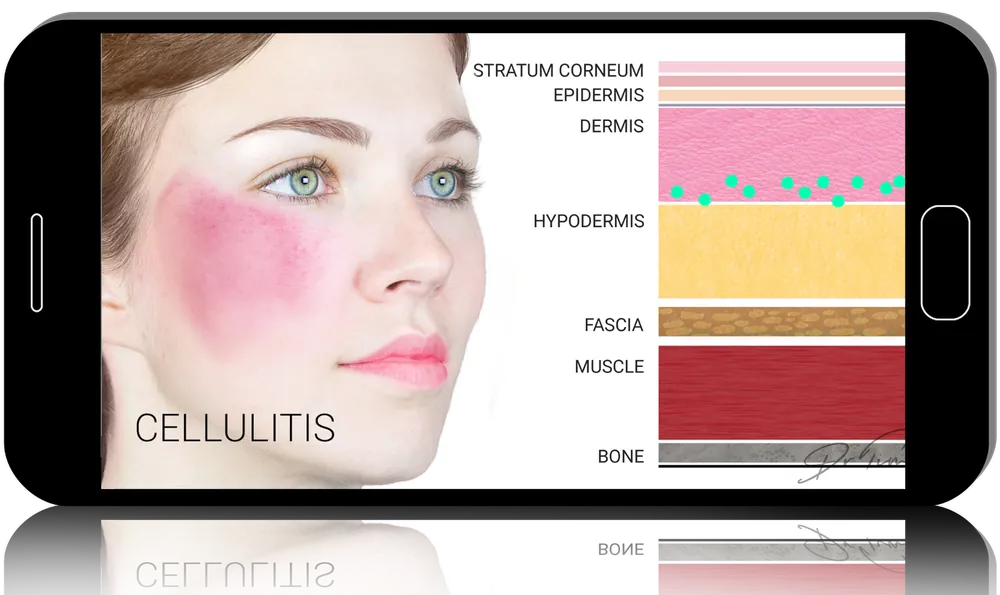
Dermal Filler Complications

Original price was: €710.00.€60.99Current price is: €60.99.
The dermal filler complications course with Tim Pearce gives injectors over ten hours on spotting, managing and discussing adverse events, from vascular occlusion and vision loss to infection, hypersensitivity nodules and nerve injury.
- Vascular occlusion, necrosis, blindness & stroke protocols
- Infection, biofilm, Type 4 reactions, nerve & salivary injury
- Real-story interviews, aspiration experiment & aftercare leaflet
- Instant access · unlimited access in time

A short look inside — full masterclass unlocked at checkout.
Recognise, treat and talk through dermal filler complications
The dermal filler complications course led by Tim Pearce works through vascular occlusion and impending necrosis, filler-related blindness and stroke, bacterial infection and biofilm, Type 1 and Type 4 inflammatory reactions, nerve and salivary gland injury, bruising and non-inflammatory lumps, combining structured lectures with candid practitioner and patient case interviews.
-
28lessons with PDFs
-
10h 26mlisted teaching
-
6Real Stories lessons
-
Unlimitedcourse access
The programme
Vascular occlusion & impending necrosis protocols
Several lessons explain how restricted blood flow leads to tissue death, how pain, colour change and capillary refill signal trouble, and how hyaluronidase is used to restore perfusion. A practical protocol adds measures against clot formation and supports vessel dilation.
Blindness, stroke & the emergency kit
The ocular blood supply, injection risk factors and treatment choices for filler-related vision loss are covered in detail, with a short segment on stroke. A brief walkthrough of an emergency reversal kit lists its medicines and equipment.
Infection, biofilm & inflammatory nodules in the dermal filler complications course
Bacterial infection is followed from mild inflammation to sepsis, with attention to biofilm, prophylaxis and possible filler reversal. Separate teaching distinguishes immediate allergic reactions from delayed Type 4 hypersensitivity and granulomas, and outlines nodule management.
Nerve, salivary gland & bruising complications
Nerve injury types, differential diagnosis and palsy management are discussed, along with salivary gland trauma from cannulas in chin and jawline work. A haematoma lesson looks at causes of bruising and practical ways to limit it.
Non-inflammatory lumps & product issues
Soft swellings without inflammation are linked to product type, patient factors and injector technique. Massage, saline, mechanical extrusion and hyaluronidase are compared as options to tailor correction to the individual case.
Real stories & practitioner interviews
Long-form interviews recount anaphylaxis, vision loss, necrosis, lip ptosis, lower-face allergic swelling and facial palsy from both practitioner and patient perspectives. Bonus conversations on nose and vascular occlusions highlight consent, records, peer support and emotional recovery after an adverse event.
Aspiration, aftercare & integrating the learning
A short experiment examines the mechanics behind aspiration and why results can mislead. Practical extras show how to customise an aftercare leaflet, and the conclusion suggests ways to share risk information with patients and plan responses with peers.
Who it’s for
- Aesthetic injectors prepare a clear response plan for vascular and inflammatory events
- Nurse and physician prescribers strengthen recognition of infection, allergy and nerve injury
- Clinic leads review emergency kits, aftercare documents and patient communication
- Practitioners after a complication hear how colleagues managed the clinical and emotional fallout
The consult
Is it mainly lectures or case discussions?
Both. Topic lectures explain mechanisms and management, while a large share of the running time is interviews in which practitioners and patients describe real complications in detail.
In what order should I watch the lessons?
The lessons are arranged alphabetically, so the introduction and conclusion appear mid-list. Starting with the introduction, then moving through topics before the real-story interviews, gives the most logical path.
Are any lessons very short?
Yes. Some segments, such as the emergency kit overview, the aftercare leaflet tutorial and the aspiration experiment, last only one or two minutes, while several interviews run for about an hour.
Will this course qualify me to manage emergencies alone?
No. It builds knowledge and preparedness, but it does not replace supervised clinical training, local protocols or referral pathways for serious events such as vision loss.
How long do I keep the course?
Your access is permanent and starts immediately after you complete payment.
Do I get CME credit or a certificate?
No. Derma Academy provides the course files only — no CME or CE credits, MOC points or certificates of completion are included.
The spec label
| Format | Online video course — 28 lessons plus PDF materials |
|---|---|
| Listed duration | 10 hours 26 minutes |
| Faculty | Tim Pearce |
| Level | All filler injectors, from developing to experienced |
| Techniques | Hyaluronidase protocols · capillary refill assessment · nodule management · aspiration |
| Training models | Lectures · practitioner interviews · patient case stories |
| Discipline | Aesthetic Medicine · Filler Safety |
| Delivery | Instant access · unlimited access in time |
| Author | Tim Pearce |
|---|
Related products
Aesthetic Medicine


Aesthetic Medicine
From Lab to Practice: A Surgical Guide to Hair Transplantation